
What Patients Should Know Before Starting Specialized Medical Treatment

Advances in modern healthcare have made a wide range of specialized treatments available to patients seeking to improve their health, manage chronic conditions, or enhance their overall well-being. From hormone therapies and wellness treatments to advanced medical procedures, patients today have more choices than ever before. While these options can provide significant benefits, they also require careful research and preparation before beginning any treatment plan.
Starting a specialized medical treatment without fully understanding the process can lead to unexpected challenges. Patients may overlook important factors such as provider qualifications, equipment standards, financial responsibilities, or recovery expectations. Each of these elements plays an important role in determining whether a treatment is safe, effective, and suitable for an individual’s specific health needs.
Taking time to gather information before committing to a treatment allows patients to make confident decisions about their care. Asking the right questions, evaluating providers, understanding potential risks, and reviewing insurance coverage can prevent confusion and ensure a smoother treatment experience. Patients who approach specialized care with preparation and awareness are far more likely to achieve positive results and avoid unnecessary complications.
This guide explains the most important things patients should understand before beginning specialized medical treatments. By learning how treatments work, how healthcare teams operate, and how to protect themselves throughout the process, patients can approach their healthcare decisions with confidence.
Identify Your Health Goals and Evaluate Whether Treatment Is Necessary
Before beginning any specialized treatment, patients should first evaluate their health goals and determine whether the procedure truly addresses their needs. Many people pursue treatments after hearing recommendations from friends, reading online reviews, or seeing advertisements, but medical decisions should always be based on personal health conditions and professional medical advice.
Some individuals explore treatments offered at a medical spa, which often focuses on wellness services designed to improve physical appearance, skin health, and overall vitality. These facilities may offer a variety of services that combine aesthetic procedures with medical oversight. While many of these treatments can be beneficial, patients should approach them with the same level of care and evaluation they would apply to any other medical service.
Discussing treatment goals with a qualified healthcare provider is an essential first step. During this conversation, patients should explain their concerns, medical history, and desired outcomes. Providers can then evaluate whether the proposed treatment is appropriate or if alternative approaches may better support the patient’s health.
Nutrition and lifestyle also play an important role in supporting treatment outcomes. Some healthcare providers recommend incorporating a superfood health supplement into a patient’s routine to improve nutrient intake and support overall wellness. These supplements often contain concentrated plant-based ingredients designed to provide vitamins, antioxidants, and other beneficial compounds. However, supplements should always be discussed with a medical professional to ensure they do not interfere with medications or existing conditions.
Clarifying health goals and evaluating whether treatment is truly necessary helps patients avoid unnecessary procedures while ensuring that any chosen therapy aligns with their health priorities.
Understand the Purpose and Potential Risks of Hormone Treatments

Hormone therapy has become increasingly common in recent years as patients seek solutions for fatigue, hormonal imbalance, and age-related health concerns. While these treatments can provide significant benefits when properly administered, they must be carefully evaluated and monitored by qualified healthcare professionals.
One commonly discussed treatment is testosterone therapy, which is used to address low testosterone levels in certain patients. Individuals experiencing symptoms such as fatigue, decreased muscle mass, reduced libido, or mood changes may benefit from hormone therapy if testing confirms a hormonal imbalance.
Before beginning treatment, patients typically undergo laboratory testing to measure hormone levels and evaluate overall health. These tests help determine whether hormone therapy is appropriate and allow physicians to design a treatment plan tailored to the patient’s needs.
It is also important for patients to understand that hormone therapy requires ongoing monitoring. Regular follow-up visits, blood tests, and physical evaluations help ensure that hormone levels remain within a safe range. Adjustments to dosage or treatment frequency may be necessary over time depending on how the body responds.
In addition to medical monitoring, lifestyle factors such as exercise, sleep quality, and diet can influence the effectiveness of hormone therapy. Providers often recommend combining treatment with healthy lifestyle habits to support the body’s natural hormonal balance.
Understanding both the benefits and risks of hormone treatments allows patients to approach therapy with realistic expectations and a clear understanding of the commitment required to maintain safe and effective results.
Learn About the Equipment and Materials Used in Medical Treatments
Specialized medical treatments often rely on a variety of tools, instruments, and materials designed to ensure safe and accurate procedures. While patients tend to focus primarily on the expertise of the physician, the quality of the equipment used during treatment is equally important.
Clinics and medical facilities rely on a wide range of medical supplies to perform procedures safely and maintain hygienic conditions. These supplies may include sterile instruments, disposable tools, protective equipment, and diagnostic materials that help healthcare professionals deliver effective care. The use of sterile and properly maintained supplies helps prevent infections and ensures that procedures meet established safety standards.
In addition to basic supplies, many treatments require advanced technology such as diagnostic machines, monitoring devices, or specialized instruments. These tools must be regularly inspected and maintained to ensure accuracy and safety.
Healthcare facilities typically obtain their equipment from a medical equipment supplier that provides certified tools designed for clinical use. These suppliers follow strict regulations to ensure that all equipment meets medical safety standards and performs reliably during patient care.
Patients who feel comfortable asking questions about equipment and safety protocols often gain greater confidence in their treatment provider. Clinics that maintain high equipment standards and transparent safety procedures demonstrate a strong commitment to patient care and medical responsibility.
Understanding the role of equipment and materials in medical treatments helps patients become more informed in their healthcare journey.
Understand the Healthcare Professionals Who Support Your Treatment

Medical treatments rarely involve only one professional. Instead, they are typically delivered by a team of healthcare providers who work together to ensure that patients receive safe, efficient, and supportive care. Understanding how these professionals contribute to treatment can help patients feel more comfortable and prepared during their healthcare experience.
One key member of many healthcare teams is the certified medical assistants who help support physicians and nurses during patient care. These professionals perform a variety of tasks that help medical facilities operate smoothly and ensure that patients receive attentive service.
Certified medical assistants may help prepare treatment rooms, collect medical information, measure vital signs, and assist during certain procedures. They also play an important role in communication by helping patients understand instructions, schedule appointments, and receive follow-up care.
Beyond medical assistants, healthcare teams often include nurses, technicians, and administrative staff who manage scheduling, medical records, and patient coordination. Each of these professionals contributes to the overall quality and safety of the treatment process.
Patients who understand the roles of different healthcare professionals are better equipped to communicate effectively and ask questions during their treatment journey. A collaborative relationship between patients and healthcare teams can significantly improve the overall experience and lead to better health outcomes.
Research Provider Qualifications and Experience Carefully
Choosing the right healthcare provider is one of the most important steps in preparing for specialized treatment. Patients should take time to research the education, certifications, and experience of any provider they are considering.
Licensed professionals are required to meet specific training and regulatory standards before offering medical services. Patients can often verify licensing and credentials through medical board websites or professional organizations. Reading reviews and testimonials from previous patients may also provide insight into the provider’s reputation and approach to care.
Although complications are rare, medical treatments can occasionally lead to injuries or unexpected outcomes. In situations where a patient believes harm resulted from unsafe conditions or negligence, personal injury attorneys may help evaluate the situation and determine whether legal action is appropriate.
Similarly, a personal injury lawyer may assist individuals who experience injuries related to unsafe facilities, improper procedures, or preventable medical mistakes. While these circumstances are uncommon, understanding that legal resources are available can provide reassurance to patients seeking treatment.
Thoroughly researching providers before committing to treatment helps reduce risks and ensures that patients receive safe care from qualified professionals.
Know Your Legal Rights in Medical Care

Patients have important legal protections that safeguard them during medical treatment. Understanding these rights can help individuals feel more confident when pursuing specialized care and ensure that healthcare providers maintain high standards of professionalism.
Medical malpractice occurs when a healthcare provider fails to meet accepted medical standards, resulting in harm to a patient. Examples of malpractice may include surgical errors, incorrect diagnoses, medication mistakes, or inadequate monitoring during treatment.
When these situations occur, a medical malpractice attorney may help patients evaluate their options. These legal professionals analyze medical records, consult experts, and determine whether the provider’s actions fell below the accepted standard of care.
Understanding these protections helps patients feel empowered and informed throughout their healthcare journey. While most medical professionals work diligently to provide safe treatment, legal protections exist to ensure accountability and maintain trust.
Understand Treatment Costs and Insurance Coverage
Financial planning is another important consideration when preparing for specialized medical treatments. Many procedures involve significant expenses, especially when they require multiple appointments, specialized equipment, or extended monitoring.
Patients should review their health insurance policies carefully to determine whether a proposed treatment is covered. Some treatments may qualify for coverage if they are considered medically necessary, while others may be classified as elective and therefore not eligible for reimbursement.
Contacting the insurance provider directly can help clarify details such as deductibles, co-payments, and required approvals. Understanding these factors ahead of time prevents unexpected financial stress during the treatment process.
Some healthcare providers offer payment plans or financing options to help patients manage treatment costs. Discussing these options during the initial consultation allows patients to plan their finances more effectively and make informed decisions about their care.
By understanding insurance coverage and financial responsibilities before treatment begins, patients can focus on their health without facing unexpected financial challenges.
Ask Thorough Questions During the Consultation Process
The consultation appointment is one of the most important opportunities for patients to gather information and evaluate whether a treatment provider is the right fit. During this meeting, patients should feel comfortable asking questions about the procedure, recovery expectations, risks, and potential outcomes.
When visiting facilities such as a medical spa, patients should observe the environment and professionalism of the staff. Clean facilities, organized procedures, and knowledgeable team members often indicate a well-managed clinic committed to patient safety.
Consultations also provide an opportunity to meet members of the healthcare team, including certified medical assistants who may assist with patient preparation and documentation. These interactions help patients understand how the clinic operates and what they can expect throughout the treatment process.
Providers who encourage open communication and provide clear explanations often create a more supportive environment for patient care.
Prepare Properly and Support Your Recovery
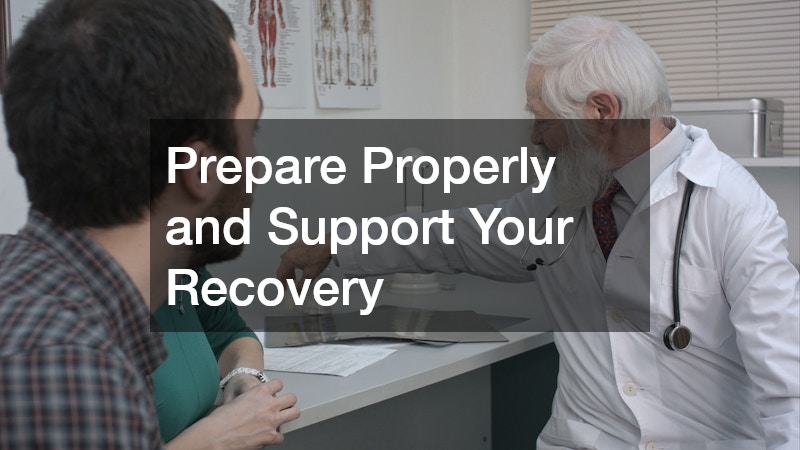
Preparing for treatment is an important step. Healthcare providers often give patients specific instructions to follow before undergoing specialized procedures.
These instructions may include avoiding certain medications, adjusting diet, or improving sleep habits before treatment. In some cases, providers may recommend dietary changes or the addition of a superfood health supplement to support immune function and overall wellness during recovery.
Patients undergoing treatments such as testosterone therapy may also receive guidance about exercise routines, nutrition, and lifestyle habits that support hormone balance and treatment effectiveness.
Following all pre-treatment and post-treatment instructions carefully can significantly reduce the risk of complications and help patients recover more comfortably. Recovery timelines vary depending on the procedure, but maintaining open communication with healthcare providers ensures that any concerns can be addressed promptly.
Beginning specialized medical treatment is a significant decision that requires thoughtful planning and careful research. By understanding treatment options, evaluating healthcare providers, reviewing financial considerations, and preparing properly for recovery, patients can approach their healthcare decisions with greater confidence and clarity.
An informed patient is better equipped to ask meaningful questions, recognize quality care, and make choices that support long-term health. With the right preparation and professional guidance, specialized treatments can become valuable tools for improving overall well-being and achieving lasting health goals.
