
Comprehensive Healthcare and Wellness Strategies for Lifelong Vitality

Good health rarely happens by accident. For most families, long-term vitality begins with steady medical oversight. Regular checkups provide an essential baseline for blood pressure, cholesterol levels, and blood sugar markers. Scheduling these visits with primary care doctors ensures that minor fluctuations in health receive prompt clinical attention before developing into serious chronic conditions. These physicians track personal medical histories across years, noting subtle shifts in energy, sleep quality, and weight. They offer practical guidance on immunization schedules, lifestyle habits, and preventative screenings tailored to specific age groups.
Having a trusted physician simplifies the process of managing complex diagnoses. When laboratory tests reveal abnormal findings, general practitioners interpret the data and outline structured management plans. They coordinate prescription regimens, monitor potential drug interactions, and help patients understand the physical implications of daily habits. This continuity of care creates a dependable clinical home where individuals discuss sensitive symptoms without hesitation or delay.
General medical evaluations frequently uncover issues that extend beyond standard physical examinations. Elevated glucose levels or early signs of vascular changes often prompt physicians to order specialized screenings. In many instances, practitioners recommend comprehensive visual evaluations conducted by licensed optometrists to evaluate retinal blood vessels. This interconnected approach allows medical teams to detect systemic issues early, safeguarding both overall wellness and everyday visual performance.
Protecting Long-Term Dental Health and Everyday Function
Oral wellness influences far more than the appearance of a smile. The mouth serves as an entry point to the digestive and respiratory tracts, making regular dental cleanings a cornerstone of bodily wellness. A skilled dentist cleans away hardened plaque, evaluates gum pocket depths, and screens for early signs of enamel demineralization. These appointments allow clinicians to spot small cavities before they reach the sensitive inner pulp of the tooth.
Consistent dental visits also protect the soft tissues of the oral cavity. Hygienists and practitioners perform routine oral cancer screenings, examine tongue tissue, and evaluate the stability of past fillings or crowns. Periodontal disease has documented connections to cardiovascular inflammation, which makes thorough gum care an essential element of systemic preventative health. Daily brushing and flossing form the first line of defense, but professional tartar removal remains irreplaceable.
As people age, tooth loss or structural damage can compromise the ability to chew comfortably and speak clearly. Removable dental prosthetics require routine assessment to ensure they fit snugly against changing gum ridges. When an appliance cracks, loosens, or loses an artificial tooth, prompt denture repair restores essential chewing function and prevents painful sores on delicate mucosal tissue. Maintaining these dental appliances allows mature adults to eat nutritious foods and socialize with confidence.
Restoring Physical Mobility and Musculoskeletal Balance

Musculoskeletal pain can disrupt work, recreational sports, and basic daily tasks. Whether recovering from a torn ligament, joint surgery, or persistent tendonitis, targeted rehabilitation restores strength and range of motion. Working alongside a licensed physical therapist helps patients rebuild muscular endurance through progressive resistance exercises and personalized stretching routines. These rehabilitation specialists analyze gait mechanics, pinpoint muscle imbalances, and teach movement patterns that protect vulnerable joints from future strain.
Physical rehabilitation requires active commitment and steady patience. During clinical sessions, therapists use manual mobilization techniques, resistance bands, and functional drills to stabilize damaged tissues. Patients learn specific home exercise protocols designed to reinforce progress between clinic visits. Over time, individuals regain the ability to climb stairs, lift groceries, and return to athletic activities without lingering discomfort or compensatory limping.
Complementary bodywork often enhances traditional rehabilitation protocols. Individuals struggling with spinal stiffness, neck tension, or restricted pelvic motion often turn to professional chiropractic service providers for targeted spinal adjustments. Gentle manual manipulation relieves pressure on compressed spinal joints, improves biomechanical alignment, and eases tension in surrounding postural muscles. When combined with active strengthening, spinal adjustments help people maintain upright posture and move freely throughout busy workdays.
Clinical Dermatology and Non-Invasive Skin Renewal
The skin functions as the primary protective barrier against environmental toxins, ultraviolet radiation, and bacterial pathogens. Keeping this barrier healthy requires both daily sun protection and regular professional evaluations. Booking an annual full-body examination with a board-certified dermatology specialist allows clinicians to inspect suspicious moles, evaluate atypical pigmentation, and identify early-stage skin cancers. These practitioners also prescribe medical treatments for persistent conditions such as cystic acne, rosacea, and severe eczema.
Clinical skin care relies on precise diagnostics and customized medical regimens. Prescription topical creams, oral medications, and targeted light therapies help control chronic inflammatory flare-ups. Dermatological clinicians educate patients on selecting broad-spectrum sunscreens, recognizing subtle changes in mole symmetry, and avoiding harsh skincare ingredients that compromise the natural lipid moisture barrier.
While medical dermatology addresses clinical disease, aesthetic treatments focus on texture, hydration, and gentle cellular renewal. Many individuals schedule regular appointments at a trusted local med spa to maintain a vibrant, refreshed complexion. These facilities offer non-invasive services such as medical-grade facials, chemical peels, and dermaplaning under the supervision of licensed aesthetic professionals. Combining rigorous clinical skin checks with soothing aesthetic maintenance keeps the skin clear, smooth, and resilient against seasonal weather changes.
Aesthetic Rejuvenation and Dignified Senior Support
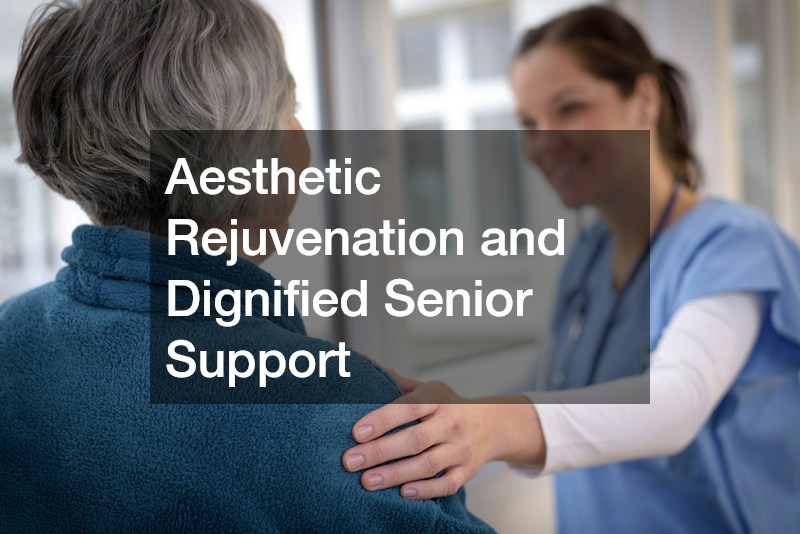
Modern aesthetic medicine provides subtle, non-surgical options for individuals who want to refresh their appearance without invasive downtime. Among the most popular injectable treatments, botox temporarily relaxes dynamic facial muscles responsible for deep frown lines, forehead furrows, and crow’s feet. Skilled injectors place micro-doses into targeted muscle groups, softening existing expression creases while allowing natural facial expressions to remain intact. Beyond cosmetic enhancement, this purified protein also provides therapeutic relief for chronic jaw clenching and persistent migraine headaches.
Injectable treatments require careful anatomical knowledge and personalized treatment planning. Qualified clinicians evaluate muscle strength and facial symmetry before administering injections. Results develop gradually over several days, offering a refreshed, well-rested appearance that lasts for three to four months before requiring a routine maintenance visit.
True community wellness spans every generation, supporting both active working adults and older generations who need daily assistance. Families navigating the complex realities of aging often seek specialized senior care services to ensure their aging parents remain safe and comfortable. These programs range from in-home companion assistance and medication reminders to dedicated memory support communities. Providing dependable daily support preserves personal dignity, reduces fall risks, and gives family caregivers necessary peace of mind.
Preventative Screenings and Sensory Preservation
Clear eyesight impacts every facet of daily life, from driving safely to reading digital screens without eye fatigue. Many eye disorders develop quietly, without pain or noticeable vision loss in their early stages. Regular comprehensive eye exams conducted by qualified optometrists identify subtle intraocular pressure changes associated with glaucoma. These specialists also test visual acuity, assess eye teaming, and update corrective lens prescriptions to prevent headaches caused by uncorrected astigmatism.
Advanced diagnostic imaging allows eye care providers to evaluate the health of the retina, macula, and optic nerve. By observing the tiny blood vessels at the back of the eye, eye doctors can detect early signs of diabetic retinopathy, macular degeneration, and vascular narrowing before patients experience symptoms. Early optical intervention preserves visual acuity and protects quality of life across decades.
Effective healthcare depends on open communication between different medical disciplines. When visual exams reveal signs of systemic hypertension or diabetic damage, eye specialists transmit clinical records back to primary care doctors to adjust overall treatment plans. This cross-disciplinary collaboration ensures that systemic medications, diet changes, and blood pressure goals align with sensory preservation efforts. Coordinated care prevents gaps in monitoring and protects patient health from head to toe.
Sustaining Lifelong Oral Comfort and Structural Integrity

Maintaining oral comfort becomes increasingly important as natural dental structures change over time. Many adults rely on full or partial removable appliances to replace lost teeth, preserve jaw contour, and maintain proper bite alignment. When an oral prosthetic cracks or becomes ill-fitting, seeking professional denture repair prevents uncomfortable friction rubs and gum inflammation. Professional technicians use specialized dental acrylics and reinforcement materials to restore broken bases and replace lost teeth swiftly.
Attempting to fix damaged dental prosthetics with household adhesives can cause irreversible damage to the appliance and introduce toxic chemicals into the mouth. Professional laboratory technicians possess the precise tools needed to realign, rebase, and polish appliances so they fit comfortably against delicate oral tissues. Proper appliance maintenance ensures that individuals continue enjoying wholesome meals without digestive distress caused by improper chewing.
Routine oversight by an experienced family dentist remains essential even for individuals who wear full prosthetic devices. Routine dental examinations assess tongue tissue, palate health, and jawbone stability. Dentists evaluate how oral appliances interact with remaining natural teeth, check for early signs of fungal infections, and provide guidance on nightly cleansing routines. Consistent professional monitoring ensures that oral tissues stay healthy, functional, and pain-free throughout the retirement years.
Alignment, Functional Strength, and Ergonomic Health
Sedentary desk work and repetitive physical labor place immense stress on the human spine. Over time, prolonged sitting and poor lifting habits cause joint stiffness and muscle fatigue. Incorporating routine chiropractic service visits into a monthly wellness routine helps relieve mechanical restrictions in the cervical, thoracic, and lumbar spine. Gentle spinal decompression and targeted manual therapies improve vertebral mobility, reduce nerve irritation, and restore normal range of motion after long workweeks.
Chiropractic adjustments work by restoring natural motion to restricted spinal segments. When vertebrae move properly, surrounding musculature relaxes, reducing chronic muscle spasms and localized soreness. Practitioners also advise clients on ergonomic workstation adjustments, lumbar support cushions, and sleep positions that protect spinal alignment throughout the night.
Maintaining lasting structural health requires pairing passive spinal joint adjustments with active muscular strengthening. Consulting a dedicated physical therapist allows individuals to identify postural weaknesses, core instability, and tight hip flexors that trigger spinal strain. Therapists design customized functional exercise routines that strengthen deep spinal stabilizers and abdominal muscles. When patients build strong muscular support systems, spinal adjustments hold longer, resulting in resilient posture and smooth, effortless daily movement.
Advanced Skin Management and Therapeutic Relaxation

Balancing skin health involves addressing both medical skin disorders and aesthetic vitality. Modern skincare combines scientific exfoliation methods with deeply restorative relaxation rituals. Visiting a full-service local med spa provides access to advanced treatments like micro-needling, hydrating oxygen infusions, and customized botanical masks. These non-invasive therapies stimulate collagen production, refine uneven skin tone, and replenish moisture reserves depleted by harsh weather or dry indoor heating.
Aesthetic skin treatments also offer important psychological benefits. Taking an hour to unwind in a calming clinical spa setting reduces stress hormones that contribute to systemic inflammation and premature skin aging. Licensed estheticians analyze skin hydration levels, recommend customized home skincare routines, and provide targeted treatments that leave the complexion luminous, supple, and refreshed.
While aesthetic treatments enhance skin radiance, any unusual skin lesions or changing spots require immediate medical diagnosis. Patients should always consult a board-certified dermatology specialist to evaluate persistent rashes, non-healing sores, or asymmetrical moles before undertaking elective cosmetic treatments. Medical dermatologists have the specialized diagnostic equipment, such as dermatoscopes, necessary to differentiate benign pigment changes from malignant lesions. Combining professional medical vigilance with rejuvenating aesthetic care guarantees safe, radiant, and healthy skin.
Age-Friendly Independence and Therapeutic Neuromodulation
Aging with dignity requires a thoughtful balance between personal autonomy and reliable community assistance. As cognitive or physical abilities decline, accessing high-quality senior care becomes essential for maintaining safety and life satisfaction. Professional caregivers assist with grocery shopping, meal preparation, personal hygiene, and safe mobility around the home. These dedicated services allow older adults to remain in familiar home environments while reducing the emotional burden on family caregivers.
Social engagement represents another fundamental pillar of elder support services. Organized activities, group dining, and gentle exercise classes combat social isolation and stimulate mental sharpness in older adults. Compassionate caregivers provide meaningful companionship, listen to personal stories, and monitor subtle health changes, alerting family members when medical attention becomes necessary.
Maintaining comfort in later years also involves managing chronic neuromuscular issues that affect daily ease and facial relaxation. Modern therapeutic applications of botox offer meaningful relief for patients suffering from severe neck dystonia, persistent facial twitches, or chronic spasticity following neurological events. Precise injections quiet overactive nerve signals, easing muscle tightness and improving comfort. Whether enhancing aesthetic confidence or providing targeted neuromuscular relief, these clinical treatments contribute to lasting vitality and physical ease across every stage of adulthood.
